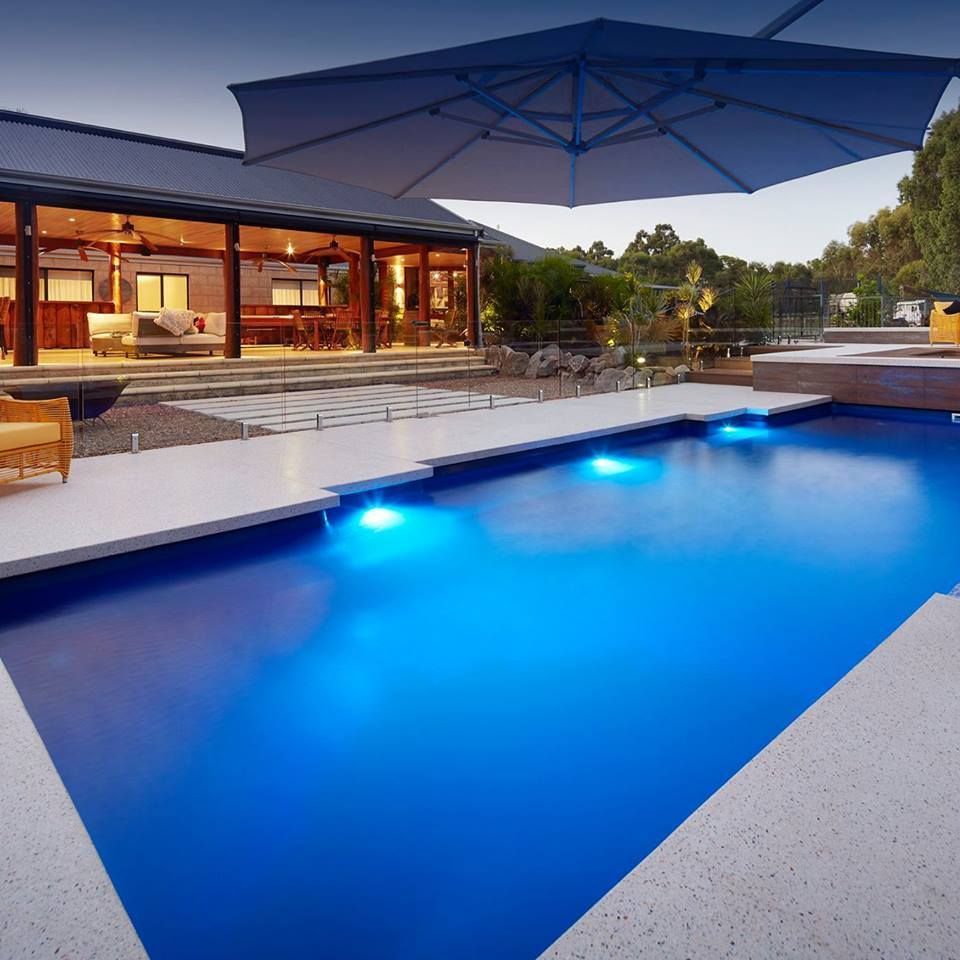
How Pool Installation Can Be Tailored To Different Property Sizes
Gibson Family Pools Port Macquarie • September 17, 2026
Pool installation can be tailored to almost any property size by matching the pool’s dimensions, shape, position and features to the available space. A compact backyard may suit a plunge pool, while a family block or acreage property can accommodate larger designs with dedicated swimming, entertaining and relaxation zones.
The key is to design around the property rather than choosing a pool in isolation. For homeowners in Port Macquarie, that means considering the block dimensions, site access, slope, existing structures and how the surrounding outdoor space needs to function.
Why Pool Design Should Start with Your Property
A successful pool design starts with understanding how the property already works. The available square metres matter, but so do the home’s position, outdoor entertaining areas, landscaping, boundaries and the way people move through the backyard.
Choosing a pool for your property should therefore involve more than deciding between a few standard sizes. An experienced pool builder can assess where the pool could sit comfortably while preserving practical areas for dining, play, gardens, pathways and other outdoor uses.
Orientation also matters. The position of the pool can affect privacy, views from the home, integration with existing entertaining areas and the overall feel of the backyard.
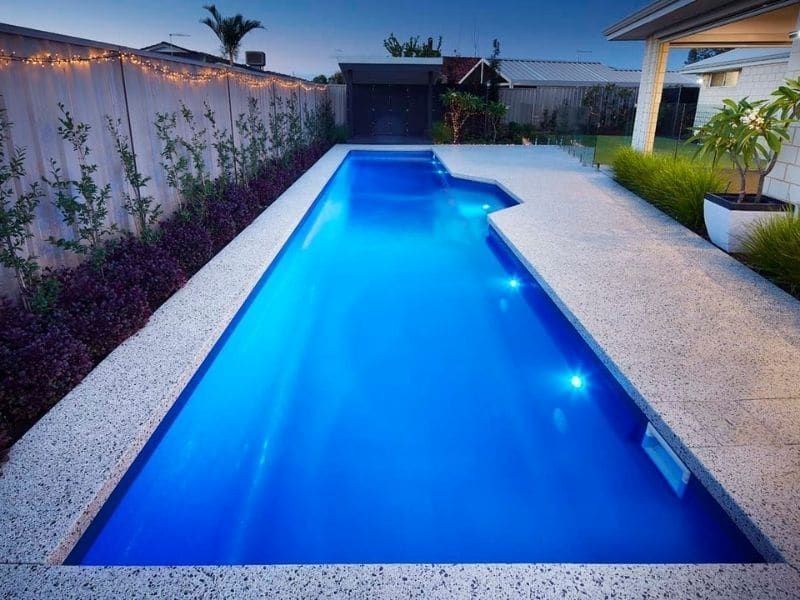
For example, a long but relatively narrow block may have enough total space for a substantial pool, yet a wide rectangular design could dominate the yard. A narrower pool positioned along one side may create a much more functional layout while still providing plenty of room for swimming.
Block Dimensions, Site Access and Slope
Block dimensions determine the space available for the pool itself and the areas required around it. Builders also need to consider site access, ground conditions, slope, existing buildings, services and any relevant planning or safety requirements.
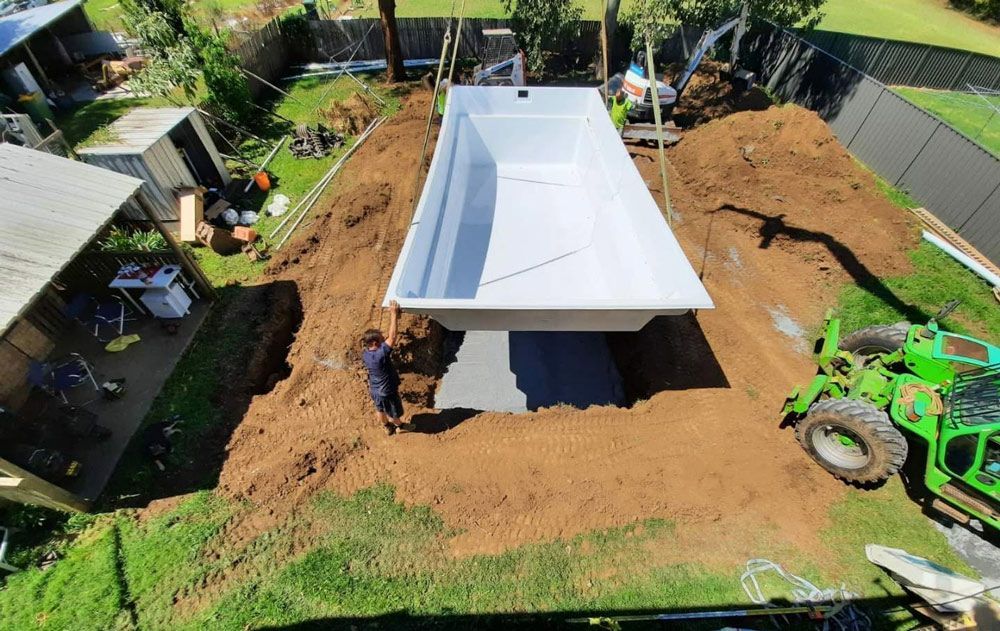
Site access is particularly important during construction. Excavation equipment, materials and construction crews need a practical way to reach the proposed pool area. On properties with narrow side access or established landscaping, the construction approach may need to be adapted accordingly.
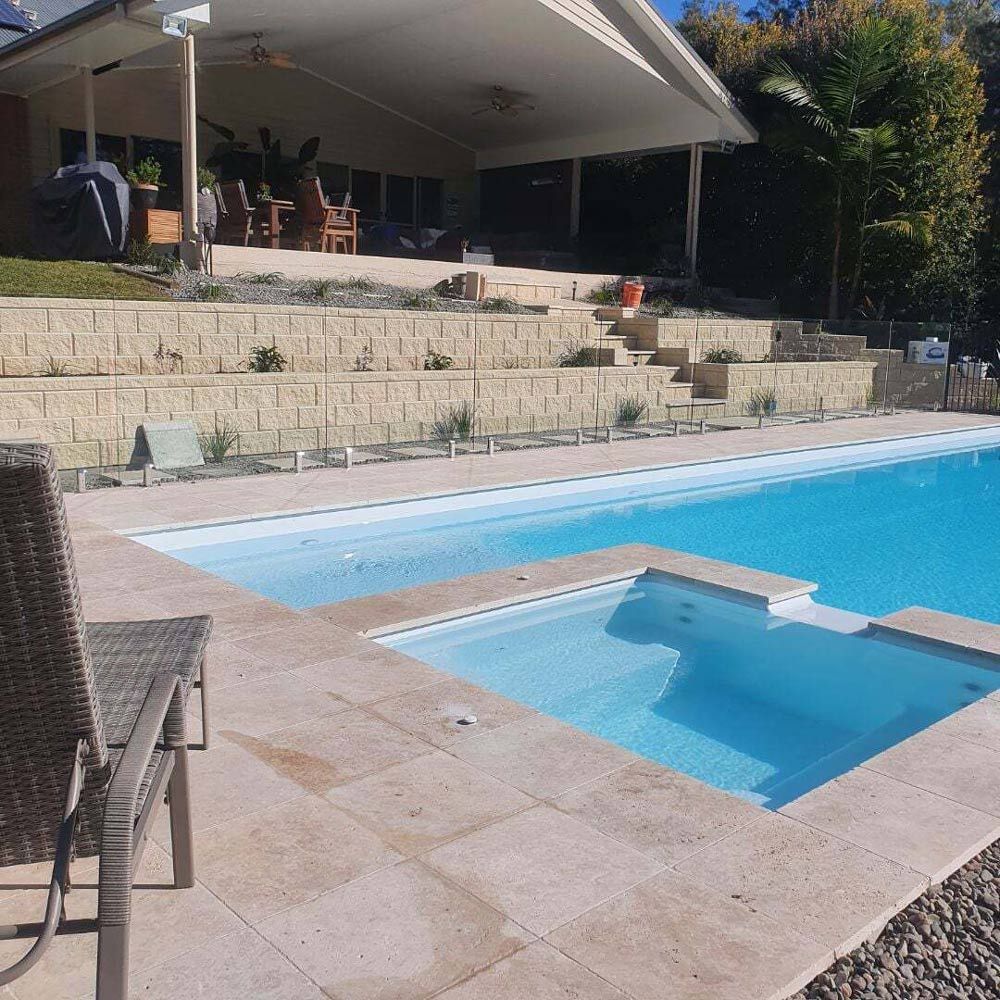
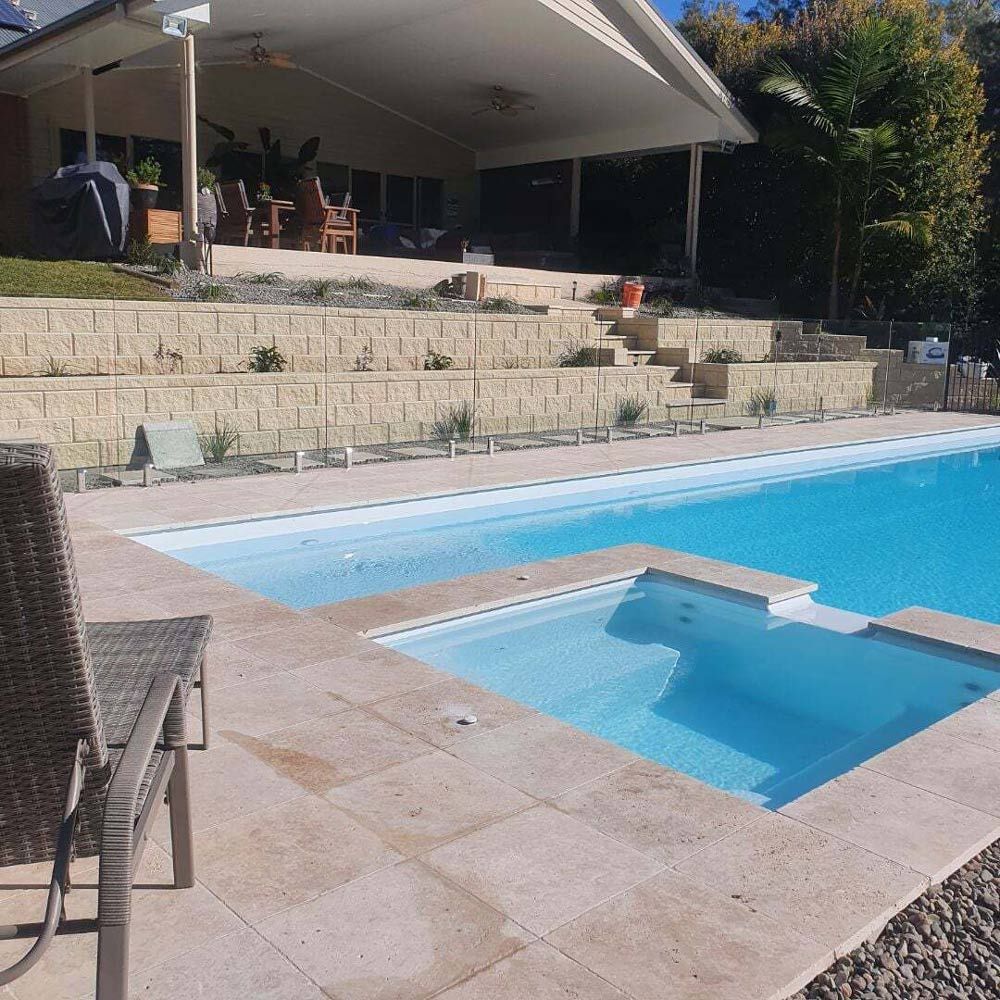
Slope can influence both design and construction. Rather than treating a sloping backyard purely as a limitation, a well-planned pool can sometimes work with the existing levels through retaining structures, raised pool edges or tiered landscaping.
Local planning, fencing and pool safety requirements should also form part of the early design process. Requirements can vary depending on the property and relevant authorities, so they should be confirmed for the individual project before construction begins.
Pool Options for Small and Compact Backyards
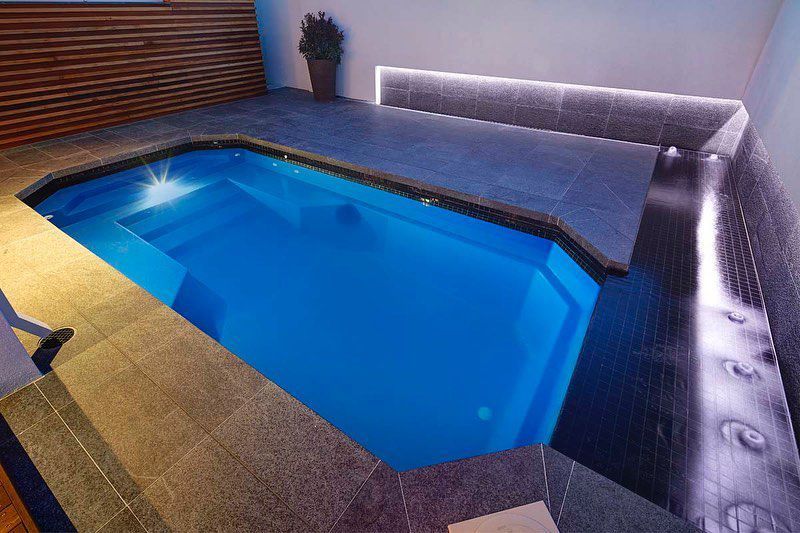
Pool design for small backyards focuses on getting genuine use from limited space without making the entire outdoor area feel crowded. Plunge pools, compact rectangular pools and carefully positioned custom designs can all work well.
A smaller pool can still provide space for cooling off, relaxing and spending time with family. Features such as built-in bench seating, steps or a shallow lounging area can increase functionality without requiring a large swimming footprint.
Positioning becomes especially important on compact blocks. Depending on the site, placing the pool closer to an existing entertaining area or along one side of the backyard can preserve a larger continuous area for other activities.
Plunge Pools vs Lap Pools: Which Suits a Smaller Property?
The choice between plunge pools vs lap pools depends primarily on how you plan to use the water and the shape of the available space.
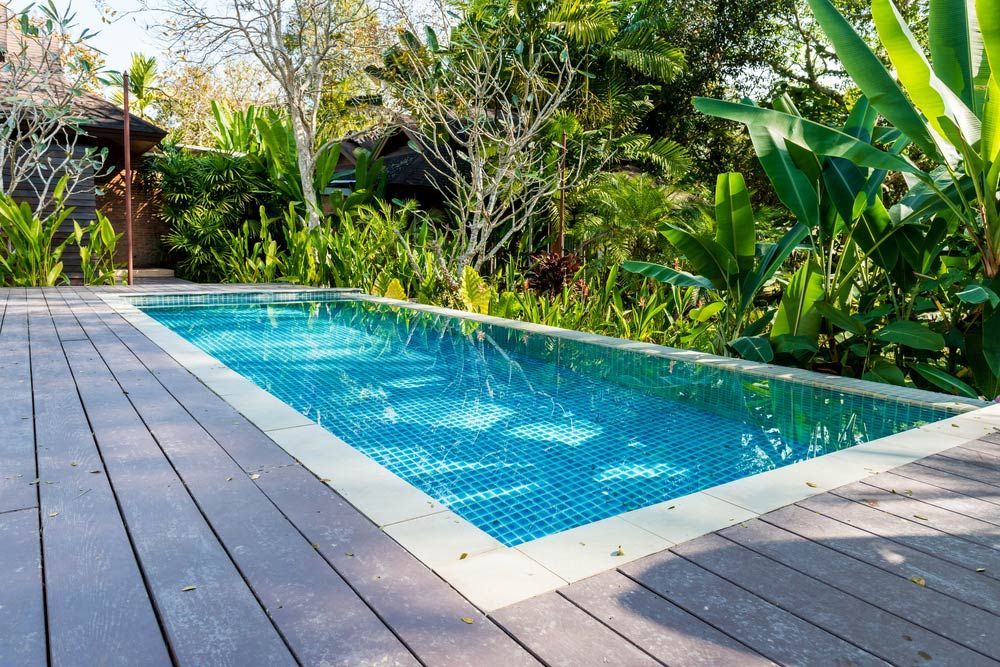
A plunge pool prioritises relaxation and cooling off within a compact footprint. It can suit smaller residential blocks where maintaining usable patio, lawn or garden space is a priority.
A lap pool generally requires more length but can remain relatively narrow. It may suit a long, slender backyard where swimming for exercise is more important than having a broad recreational area.
The best option is not necessarily the smallest pool. It is the design that makes the most effective use of the dimensions your property provides.
Pool Options for Medium and Family-Sized Blocks
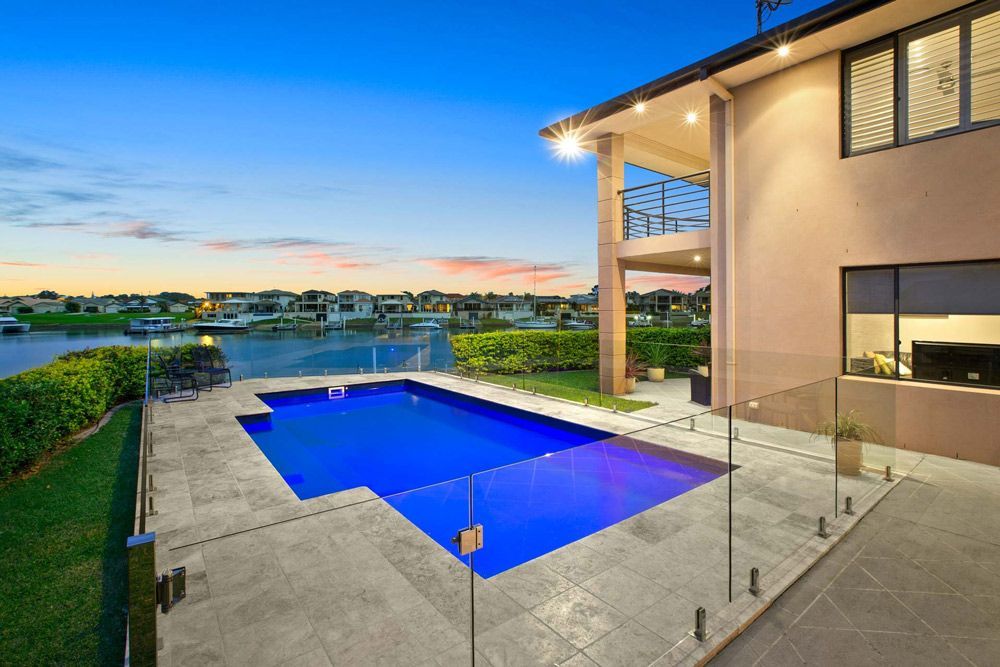
Medium-sized residential blocks often provide greater flexibility because there may be enough room to balance swimming space with entertaining, lawn and landscaping. Rectangular family pools are a common solution, but the final shape and dimensions should still respond to the home and backyard layout.
Families may want to consider how different people will use the pool. Swimming, playing, relaxing and supervising children can place different demands on the design, so entry points, steps, seating areas and surrounding spaces deserve careful consideration.
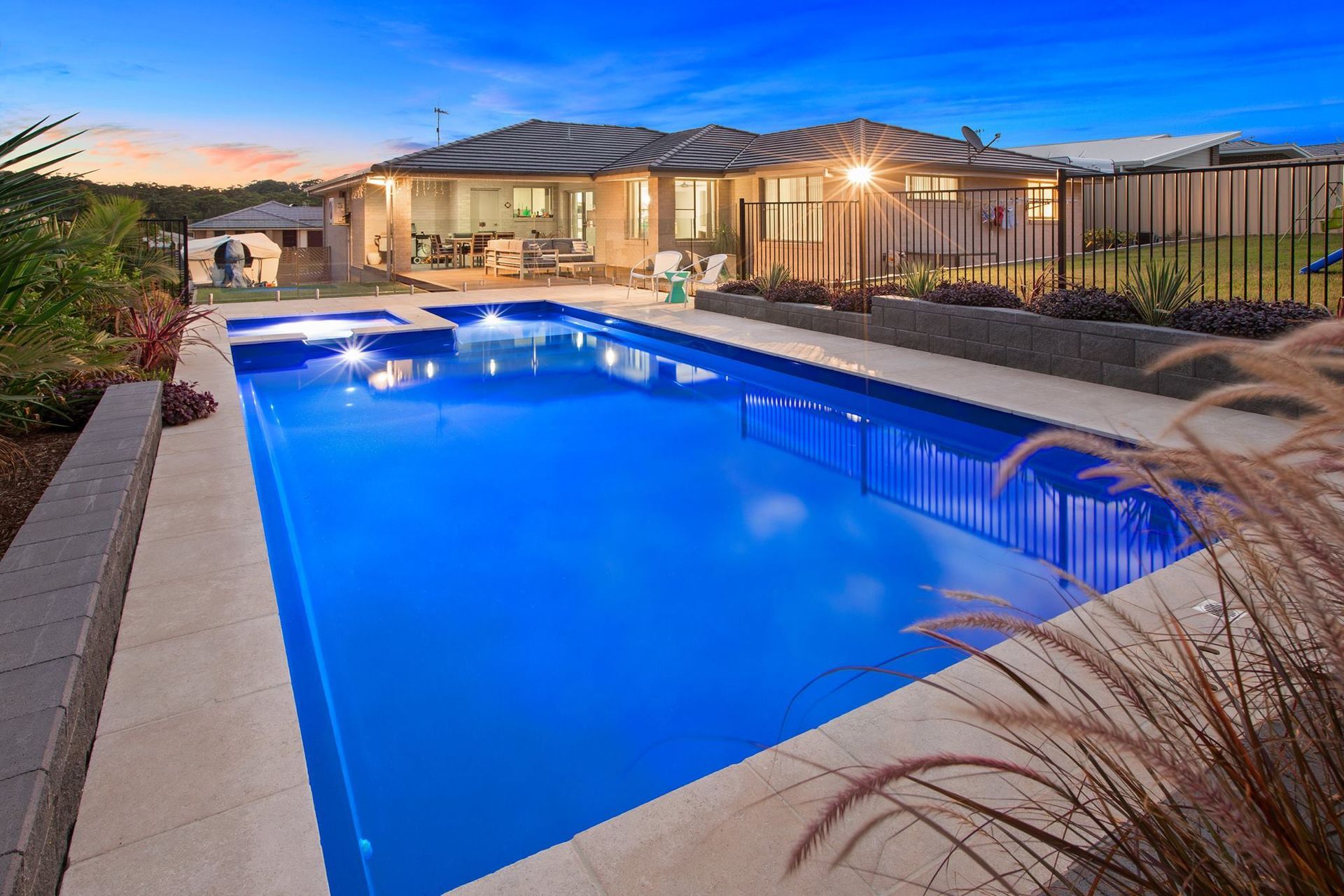
A practical layout can also connect the pool with an existing patio, deck or outdoor kitchen. Creating this relationship between the home, entertaining area and pool often makes the entire backyard more usable rather than leaving the pool feeling like a separate feature.
As an example, a family renovating a standard suburban block might have room for a larger pool but still choose a moderately sized rectangular design. Keeping some lawn beside the pool could give children another place to play while retaining space for outdoor dining and landscaping.
Pool Options for Large Rural and Lifestyle Properties
Large rural, acreage and lifestyle properties provide more freedom, but more space does not automatically make pool planning simpler. The pool still needs to sit in a position that works with the home, views, entertaining areas, access and the broader landscape.
A larger property may accommodate a full family pool, a longer lap-style design or a generous pool zone with surrounding landscaping and entertaining areas. The design can also use the available space to create a stronger sense of separation between swimming, relaxation and other outdoor activities.
However, placing a pool too far from the house simply because space is available can make it feel disconnected from everyday living. The relationship between the pool and the home remains important, particularly for access, entertaining and visibility.
Lifestyle properties can also have site-specific considerations such as substantial slopes, established trees, longer service runs or different ground conditions. According to industry best practice, these factors should be investigated during planning rather than addressed after a pool position has already been selected.
Maximising Usable Outdoor Space
Maximising usable outdoor space means considering the pool and surrounding yard as one integrated design. A pool should add another function to the property without unnecessarily sacrificing the spaces homeowners already value.
Several design choices can help:
- Select pool dimensions that suit how the pool will actually be used.
- Position the pool to preserve useful lawn or garden areas.
- Integrate pool access with existing decks and entertaining zones.
- Use built-in seating or steps efficiently.
- Consider sightlines between the home and pool.
- Plan landscaping and pathways alongside the pool design.
This approach is particularly valuable on compact properties, where every section of the backyard needs a clear purpose. On larger properties, it helps prevent the pool area from becoming oversized or disconnected from the rest of the outdoor environment.
It is also worth thinking beyond current needs. Families may use their backyard differently over time, while investors, renovators and new home builders may want a layout that provides broad practical appeal rather than an overly specialised design.
Planning Your Pool Project with an Experienced Builder
Planning with an experienced pool builder allows the design to respond to real site conditions from the beginning. Early discussions should cover the property dimensions, intended pool use, preferred style, access, surrounding outdoor areas and any known site constraints.
For homeowners considering pool installation Port Macquarie, Gibson Family Pools can help assess how different pool sizes and configurations could work with the individual property rather than approaching every backyard with the same design.
The next step is to identify what you want to preserve as well as what you want to add. Measure the available area, consider how your household uses the backyard and note any access, slope or landscaping considerations. Then contact the Gibson Family Pools team to discuss a pool design that fits the property and the way you plan to use it.
Frequently Asked Questions
Can you install a pool in a small backyard?
A small backyard can often accommodate a pool when the design is matched carefully to the available space. Compact rectangular designs and plunge pools can provide a dedicated swimming or relaxation area while preserving room for entertaining, landscaping or other outdoor uses.
Is a plunge pool better than a full-sized pool for a small block?
A plunge pool can be a practical choice when relaxation and cooling off are the main priorities and outdoor space is limited. A larger pool may suit households that want more room for swimming and recreation, provided the block can accommodate it without compromising the rest of the backyard.
What should I consider when choosing a pool for my property?
Consider the size and shape of the block, intended pool use, slope, construction access, existing structures, landscaping and surrounding entertaining areas. Relevant local planning and pool safety requirements should also be checked during the design process.
Can a pool be installed on a sloping property?
Pools can often be designed for sloping properties, although the site may require additional planning or construction considerations. The builder should assess levels, access, ground conditions and any structural requirements before finalising the design.
What type of pool works well on an acreage property?
Acreage properties may suit larger family pools, lap-style pools or spacious pool and entertaining zones. The design should still consider its relationship with the house, views, access and landscaping rather than simply using the largest pool the block can accommodate.
How early should I involve a pool builder?
Involving a pool builder early can help identify practical opportunities and constraints before other landscaping or building decisions limit the available options. This is particularly useful for new homes, major renovations and properties with challenging access or slopes.